Christmas Bear Embroidery Review
As a designer who spends more time looking at stitch density and fabric grain than I do sleeping, I approach every new design file with a mix of optimism and skepticism. There is nothing worse than downloading a "cute" clipart asset only to find it falls apart when converted into actual thread. Today, I am putting Christmas Bear Clipart Christmas Clipart through its paces—not just as a digital image, but as a potential machine embroidery design for real-world projects.
This piece falls squarely into the Illustrations category, which often implies a focus on artistic flair over rigid structural geometry. For an embroiderer, that distinction is critical. A flat illustration needs enough visual weight to hold up under the tension of thread, or it risks looking muddy and indistinct after stitching. Here is my honest breakdown of how this design performs in the hoop.
First Impressions: Mood and Visual Weight
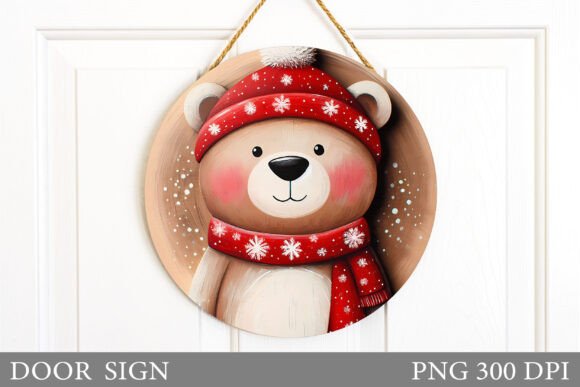
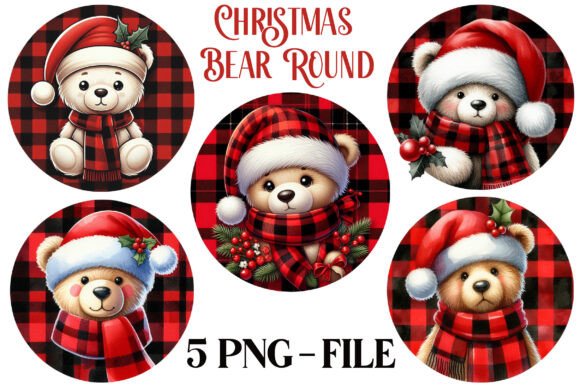
The immediate appeal of Christmas Bear Clipart Christmas Clipart lies in its cozy, nostalgic energy. It doesn’t scream for attention with neon colors or aggressive shapes; instead, it whispers comfort. This is exactly the kind of mood that resonates with today’s market for handmade goods. Whether you are creating a personalized gift for a client or stocking your own Etsy seller shop, the bear motif taps into a universal sense of warmth.
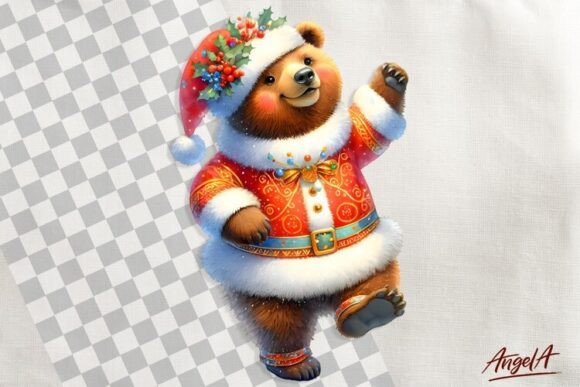
Visually, the character has a solid silhouette. In embroidery, shape recognition is everything. If the outline is too thin or the proportions are awkward, the satin stitch outlining the form will struggle to define the edges. From what I can see, the bear’s proportions are balanced, giving the eye a clear place to rest. The festive theme is integrated naturally rather than feeling tacked on, which suggests a thoughtful layout that should translate well to various embroidery project types.
Real-World Application: Where Does It Fit?
I like to imagine this design on actual products before I commit to stitching. Here is where I see Christmas Bear Clipart Christmas Clipart shining:
- Holiday Apparel: This is a natural fit for sweatshirt embroidery. The bear’s chunky aesthetic pairs beautifully with the texture of fleece or heavy cotton blends. Imagine a cream-colored crewneck with the bear centered on the chest—it screams boutique holiday wear.
- Baby Items: The softness of the character makes it ideal for baby embroidery. Think onesies, bibs, or muslin blankets. Parents love items that look gentle and safe, and the bear delivers that vibe without being overly childish.
- Home Decor: I see this working exceptionally well on tote bag design options made from canvas, or perhaps as a decorative element on kitchen towels and tea towels. The festive theme aligns perfectly with autumn and winter home styling trends.
- Accessories: An embroidered patch version of this could be huge for customizing denim jackets or beanies. The circular or square framing often used in patches complements this kind of character art.
For the craft business owner, this design offers versatility. It isn’t so niche that it limits your customer base, yet it is specific enough to stand out in a crowded market of generic snowflakes and reindeer.
Technical Considerations for the Hoop
While the artwork is charming, we must talk about execution. Not all designs are created equal when it comes to the machine. Here are the practical hurdles you need to navigate.
Stitch Density and Detail
The success of any digital embroidery file hinges on its stitch density. If the fill stitches are too dense, the fabric will pucker, especially on lighter materials. Conversely, if they are too sparse, the underlying fabric might show through, ruining the clean look of the finished product. You need to inspect the design closely to ensure the fill stitch areas are optimized. Also, pay attention to the running stitch details—tiny whiskers or facial features can easily get lost if the thread color lacks contrast against the fabric.
Fabric Compatibility
This design requires careful fabric selection. It performs best on stable, medium-weight fabrics like cotton twill, felt, or sturdy knits. Avoid using it on highly textured fabrics like bouclé or loose-weave linen, as the needle penetration may cause distortion. Similarly, while it might work on dark fabric, you will need to use a high-quality stabilizer to prevent the bright thread colors from sinking into the weave. Always test on scrap fabric first to check for thread colors visibility.
Hoop Size Constraints
Check the recommended hoop size for this design. If it is intended for a small hoop (4x4 inches), be cautious about placing it on curved surfaces like caps or sleeves. The curvature can stretch the fabric, altering the aspect ratio of the bear. For best results, keep this design on flat planes like tote bags, pillow covers, or the front panel of a sweatshirt.
Commercial Viability and Branding
For those of us selling our creations, aesthetics drive sales, but professionalism builds trust. Using a well-executed design like Christmas Bear Clipart Christmas Clipart elevates the perceived value of your handmade product. It signals that you care about quality and detail.
When creating printable mockups for your online store, this design offers great flexibility. Its neutral yet festive palette allows you to pair it with various background colors in your photos, helping your small shop product listings pop. However, remember that consistency is key to brand identity. If you plan to use this as part of a larger collection, ensure the style matches your other design assets.
Before listing any commercial embroidery items, double-check the licensing terms. Some Illustrations are free for personal use only. As a professional, you cannot afford to overlook these legalities. Confirm whether you have the right to sell finished goods made from this file.
Final Verdict
Christmas Bear Clipart Christmas Clipart is a strong contender for anyone looking to add a touch of whimsy and warmth to their holiday lineup. It balances charm with technical feasibility, making it suitable for both hobbyists and serious Etsy sellers.
To get the best result:
- Test First: Always run a sample on your target fabric.
- Choose the Right Thread: Use polyester threads for durability and sheen, ensuring they contrast well with your fabric.
- Use Proper Stabilizer: Cut-away stabilizers are generally safer for stretchy fabrics like sweatshirts.
- Inspect Details: Zoom in on the digital file to ensure no tiny elements will become unrecognizable blobs of thread.
If you are ready to create something that feels personal, festive, and professionally stitched, this design is worth your time. Just remember, the magic happens not just in the pixel, but in the stitch. Happy embroidering!