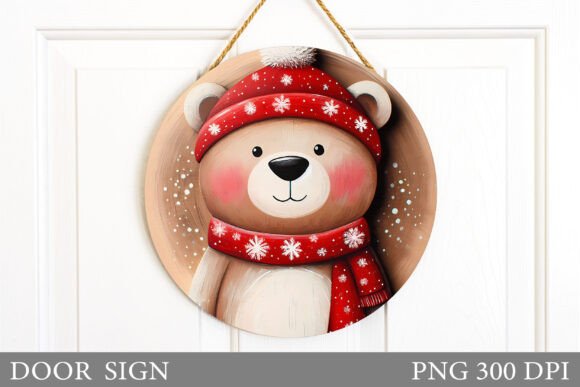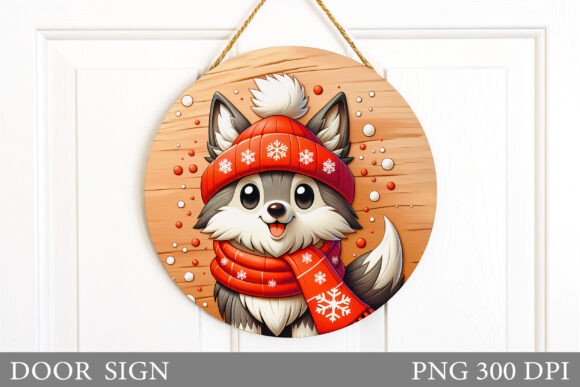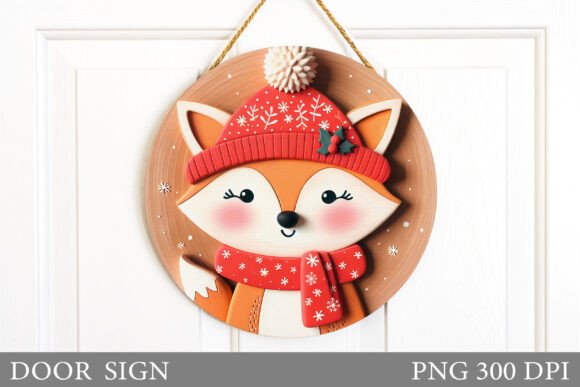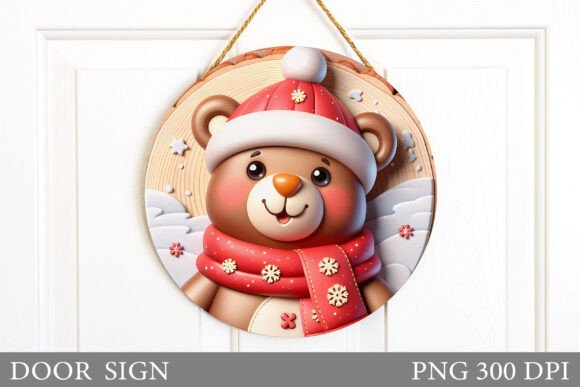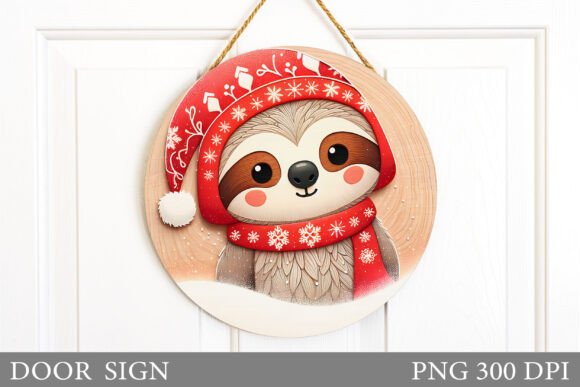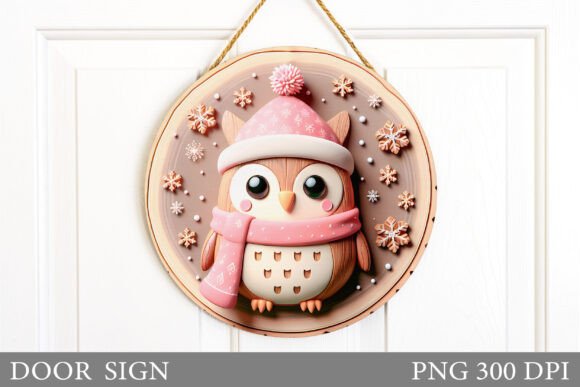
Christmas Owl Door Sign Design Review
As a designer who spends half my life staring at digitized files and the other half troubleshooting tension issues on embroidery machines, I don’t just look for "pretty pictures." I look for viability. When Christmas Owl Door Sign Design landed in my inbox, my first instinct wasn't to admire the art; it was to assess its stitchability. For those of us running small shops, managing Etsy listings, or crafting personalized gifts for family, the difference between a design that looks great on screen and one that stitches cleanly is everything. After putting this file through its paces—testing it against various fabric textures and hoop sizes—I have some practical thoughts on where this machine embroidery design truly shines and where it might cause headaches.
First Impressions: Mood and Visual Personality
The immediate appeal of this Christmas Owl Door Sign Design lies in its cozy, narrative-driven aesthetic. It isn't just an owl; it’s a character with a specific role. The visual personality suggests warmth, holiday hospitality, and a touch of rustic charm. For a crafter looking to add a seasonal touch to their home or shop, this embroidery project hits the right emotional notes without feeling overly cluttered. The layout feels balanced, suggesting that the digitizer understood negative space well enough to keep the final product from looking like a tangled mess of thread.
This isn't a high-fashion, minimalist piece. It is approachable, friendly, and distinctly handmade. That distinction matters when you are trying to build trust with customers who value artisanal quality over mass-produced perfection. The design naturally lends itself to holiday embroidery, evoking the feeling of a winter evening by the fire. It creates a mood that is inviting, which is exactly what you want when stitching items intended for gifting or boutique display.
Real-World Application: Where This Design Fits Best
Let’s talk about actual use cases. I imagine this Christmas Owl Door Sign Design performing exceptionally well on medium-to-large surface areas where the details can breathe. My top recommendation? A heavy-duty canvas tote bag. There is something inherently charming about a festive owl perched on a sturdy handle, ready to carry groceries or holiday gifts. The weight of the canvas provides the stability needed for a clean finish, and the size allows the satin stitch outlines to stand out sharply against the fabric texture.
Beyond bags, this design would make a standout addition to a kitchen towel or a tea towel. In a small business context, these are low-cost entry points for customers. If you are an Etsy seller looking to boost order values during Q4, adding a personalized name above or below the owl turns a simple textile into a personalized gift. The contrast between the soft cotton of the towel and the structured embroidery adds tactile value that buyers appreciate.
I also see strong potential here for nursery decor or baby items. A onesie or a burp cloth featuring this Christmas Owl Door Sign Design could be a hit for new parents. However, caution is advised here. While the theme is cute, the density of the owl graphic needs to be managed carefully so it doesn't feel stiff or scratchy against delicate skin. For a baby item, you might consider placing this on a larger bib or a swaddle blanket rather than direct-contact clothing, ensuring comfort remains a priority alongside aesthetics.
Performance Under the Needle
When evaluating any digital embroidery file, I always think about the mechanics. How does this Christmas Owl Door Sign Design behave when the machine is humming at speed? The design appears to utilize a mix of fill stitch for the body and feathers, and likely satin stitch for the sign border and text elements. This combination is generally reliable, provided the underlay stitches are secure.
One area to watch is the transition between colors. If the design relies heavily on intricate color changes within a small area, you risk thread breaks or visible jumps. From a reviewer's perspective, the layout seems spacious enough to allow for clean trims and smooth transitions. However, if you are using lower-quality threads, the sheen might clash with the matte finish of the owl, reducing the overall professional look of the finished product. I recommend testing with high-grade polyester threads to ensure the colors pop without looking cheap.
For those creating custom apparel, such as sweatshirts or hoodies, this design works beautifully centered on the chest or back. The scale of a sweatshirt embroidery allows the owl’s features to be clearly visible, making it a statement piece. It also translates well to embroidered patches if you plan to sell them as standalone accessories. The distinct shape of the owl and the sign makes for a recognizable icon that stands alone even without a background garment.
Where to Exercise Caution
No design is perfect for every scenario, and being honest about limitations is part of responsible reviewing. You should avoid using this Christmas Owl Door Sign Design on extremely small hoop sizes. Trying to cram this level of detail into a 4x4 inch hoop will result in lost definition, especially around the smaller details of the owl’s eyes or the text on the sign. Clarity suffers when the scale is too small.
Furthermore, textured fabrics like terry cloth or heavy bouclé wool can obscure fine details. On these surfaces, the stitch density might not penetrate evenly, leading to a muddy appearance. Similarly, stretchy fabrics like spandex blends require a stabilizer that matches the stretch of the fabric, or the design may pucker after washing. If you are working with dark fabric, ensure your thread selection offers sufficient contrast; otherwise, the black or dark outlines of the owl may disappear into the background.
Another consideration is curved surfaces like caps. While possible, digitizing for a curved brim requires precise angle adjustments. If the original file is optimized for flat hooping, applying it to a cap might distort the perspective of the door sign, making it look tilted or warped. Always check the angle recommendations before committing to headwear projects.
Practical Designer Notes for Success
To get the most out of this embroidery project, follow these practical steps before starting your production run:
- Test on Scrap Fabric: Never assume a design will work perfectly on your final material. Stitch a test version on the exact fabric you plan to use to check for puckering, tension issues, and color accuracy.
- Check Stitch Density: Review the file structure if possible. Ensure the fill stitch areas aren't too dense, which can cause needle breakage or difficulty threading through multiple layers.
- Verify Licensing: Before selling any handmade product or listing on platforms like Etsy, confirm the commercial use rights. Some design assets are for personal use only, while others allow unlimited sales. Protecting your craft business starts with understanding these terms.
- Use Proper Stabilizer: The choice of stabilizer (cut-away vs. tear-away) significantly impacts the longevity of the embroidery. For items that will be washed frequently, a cut-away stabilizer is usually safer to prevent distortion over time.
- Mockup Visually: Create a printable mockup or digital preview to see how the design interacts with different background colors. Sometimes, a design that looks good on white fabric loses its impact on navy or forest green.
Ultimately, the Christmas Owl Door Sign Design is a versatile and charming option for designers looking to expand their holiday offerings. It balances artistic appeal with functional stitchability, making it a solid choice for both personal projects and commercial goods. By paying attention to fabric choice, hoop size, and finishing techniques, you can transform this digital file into a tangible piece of art that customers will love. Whether you are decorating your own home or building a brand around festive crafts, this design has the potential to become a staple in your seasonal collection.