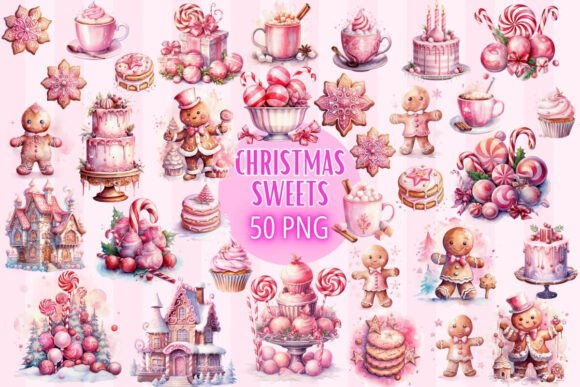
Christmas Sweets Candy Gingerbread House Review
As a graphic designer who spends most of my day juggling brand identities, packaging layouts, and seasonal marketing campaigns, I am constantly hunting for design assets that strike the right balance between whimsy and professionalism. When a client approaches me with a request for a holiday-themed project—whether it is for a boutique bakery, a handmade jewelry line, or a local winter market—the pressure is on to create visuals that feel authentic, warm, and commercially viable. This is exactly where I found myself last week while evaluating a specific illustration asset titled "Christmas Sweets Candy Gingerbread House." After spending some time dissecting its visual components, testing it in various mockups, and considering its potential application across different media, I have formed a clear opinion on whether this asset deserves a spot in a professional designer’s toolkit.
The First Impression: Mood and Visual Style
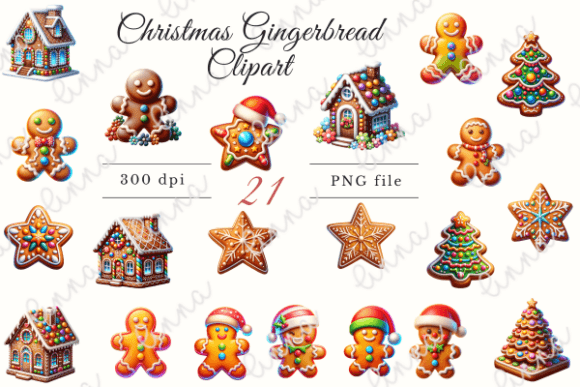
When you first load the file, the immediate takeaway is the rich, inviting color palette. The asset leans heavily into traditional holiday tones—deep reds, forest greens, and warm golds—but manages to avoid looking dated or overly cliché. The style is best described as modern illustrative, blending clean vector lines with textured shading that gives the gingerbread house a tangible, almost tactile quality. It does not scream "clipart"; instead, it feels like a custom-drawn element that could belong in a high-end lifestyle magazine or a premium product label.
This visual mood is crucial for client projects because it sets the emotional tone immediately. For a small business owner launching a limited-edition Christmas collection, this asset provides instant brand warmth. It suggests craftsmanship and sweetness without being childish. The composition is balanced, with the gingerbread structure serving as the focal point, surrounded by complementary sweets that add depth but do not clutter the scene. This makes it an excellent candidate for brand identity work where consistency and emotional appeal are paramount.
Real-World Application in Client Projects
In my recent workflow, I tested this asset across several common design scenarios to see how it holds up under real-world constraints. Here is how it performed:
- Packaging Design: One of the strongest use cases for this illustration is on product packaging. Whether it is a box for artisanal cookies, a wrap for a gift basket, or a label for a holiday candle, the asset scales beautifully. The details remain crisp even when reduced to fit on smaller labels, which is a common pain point with lower-quality graphic design assets.
- Social Media Graphics: For brands that need to maintain a festive presence on Instagram and Pinterest, this image serves as a perfect hero graphic. Its vibrant colors stop the scroll, and the central composition allows for easy overlay of text for promotional messages like "Holiday Sale" or "Limited Edition."
- Printable Designs and Digital Products: If you are a digital seller creating printables for Etsy, this asset works well as part of a larger design bundle. It can be used as a standalone wall art piece or combined with other elements to create greeting cards, stickers, and tags. The resolution is sufficient for high-quality printing, ensuring that the final product looks professional rather than pixelated.
- Cricut and Sublimation Projects: For crafters and makers using cutting machines, the clean lines of the vector-based SVG design make it ideal for vinyl cuts. It translates well to t-shirt designs, tote bags, and mugs, offering a polished look that elevates handmade goods above generic mass-produced items.
Where the Asset Shines
This illustration excels in large layout areas and hero graphics where it can command attention. It is particularly effective when used as a decorative accent in editorial design, such as within a blog post about holiday recipes or a feature on winter traditions. In these contexts, the asset adds visual interest without overwhelming the text. It also works wonderfully in themed collections, allowing designers to build a cohesive narrative around the concept of holiday sweetness.
Furthermore, the asset supports visual hierarchy effectively. Because the main subject is clearly defined, it can serve as an anchor for other design elements like typography and logos. When paired with a bold sans serif font, it creates a modern contrast; when paired with a flowing script font, it enhances the handwritten, personal feel often desired in handmade business branding.
Areas Requiring Caution
No single asset is a silver bullet, and there are specific scenarios where this gingerbread house illustration requires careful handling. Designers should exercise caution when placing it in crowded layouts. If the background is too busy or if there are too many competing visual elements, the asset may lose its impact and become visually noisy.
Additionally, while the asset is versatile, it may not suit every brand voice. For companies aiming for a minimalist aesthetic or a strictly corporate professional image, the whimsical nature of the illustration might clash with the desired tone. In such cases, it is better suited for supporting brand elements rather than primary logo design. Also, always check the contrast when placing the asset on light versus dark backgrounds. While it performs well on both, slight adjustments to opacity or adding a subtle drop shadow can enhance legibility and integration.
Practical Designer Notes for Implementation
Before integrating this asset into a final client deliverable, there are several technical checks every designer should perform to ensure quality and compliance:
- Test in Black and White: Convert the asset to grayscale to check its structural integrity. If the image relies solely on color to convey form, it may lack depth in monochrome applications.
- Check File Formats: Ensure you have access to both PNG and SVG formats. The PNG version is useful for quick web placements with transparency, while the SVG allows for infinite scalability and editing of individual paths, which is essential for customizing colors to match a client’s brand guidelines.
- Preview at Multiple Sizes: View the asset at 100%, 50%, and 25% zoom levels. This helps identify any pixelation or loss of detail that might occur when the asset is used in smaller contexts like favicons or mobile headers.
- Mockup Testing: Place the asset on realistic product mockups, such as a cookie jar or a holiday card envelope. This provides a true sense of scale and context that flat views cannot offer.
- Review Licensing: Most importantly, verify the commercial license. Even if the asset is affordable, using it for a client project without proper rights can lead to legal issues. Ensure the license covers the intended use, whether it is for physical products, digital downloads, or advertising.
Final Verdict
The "Christmas Sweets Candy Gingerbread House" illustration is a strong addition to any designer’s resource library. It offers a blend of aesthetic charm and technical reliability that makes it suitable for a wide range of projects, from marketing visuals to print-on-demand products. By understanding its strengths and limitations, designers can leverage this asset to create compelling, cohesive, and profitable designs for their clients. It is not just a cute picture; it is a functional tool that can elevate the overall quality of holiday-themed creative work.