Christmas Tree Painting DIY Poster: A Publisher’s Take on Seasonal Illustrations
In the world of digital publishing, visual assets are not merely decorative; they are functional tools that dictate reader engagement, brand perception, and content performance. As a blog designer who has spent years optimizing website layouts and editorial flows, I approach every new design asset with a critical eye. Today, I am reviewing the Christmas Tree Painting DIY Poster, an illustrative piece that promises to bring warmth and creativity to seasonal content strategies.
This review is framed through the lens of real-world application. Whether you are preparing featured images for a lifestyle blog, designing Pinterest pins for affiliate marketing, or creating downloadable resources for an email newsletter, the way you present your visuals directly impacts click-through rates and user trust. Let us explore how this specific graphic design asset fits into a professional publishing workflow.
First Impressions and Editorial Mood
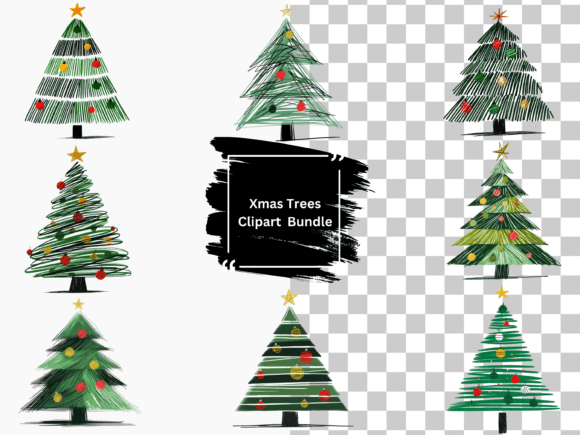
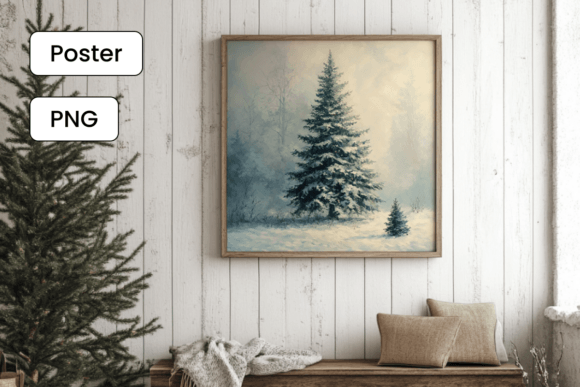
When I first loaded the Christmas Tree Painting DIY Poster into my design workspace, the immediate takeaway was its distinct artistic character. Unlike generic clip art or sterile vector icons, this illustration carries the texture and organic feel of a hand-painted piece. For editors and content creators, this distinction is vital. It signals effort, care, and authenticity—qualities that resonate deeply with readers in lifestyle, home decor, and creative niches.
The mood it creates is undeniably festive yet grounded. It avoids the overly commercial or tacky aesthetics often associated with holiday graphics. Instead, it leans into a modern design sensibility that feels clean, inviting, and slightly nostalgic. This makes it particularly effective for brands aiming to build a cozy, trustworthy atmosphere. If your content niche involves DIY crafts, interior styling, family activities, or holiday entertaining, this illustration aligns perfectly with those themes. It suggests a narrative of creativity and personal touch, which is essential for engaging audiences looking for inspiration rather than just information.
Integrating Into Real Publishing Workflows
A design asset is only as good as its versatility. In my experience managing multiple content websites, I look for illustrations that can serve dual purposes without losing their impact. The Christmas Tree Painting DIY Poster offers several high-value applications for digital publishers:
- Blog Featured Images: Use this as a hero image for articles about holiday decorating tips, gift guides, or family traditions. Its central focus allows text overlays to sit cleanly around the edges, maintaining readability while capturing attention in social feeds.
- Pinterest Graphics and Pins: Pinterest is a visual search engine where aesthetic appeal drives traffic. This illustration works beautifully as a background for "How-To" pins. You can overlay bold typography for titles like "5 Easy Holiday Crafts" while letting the painting provide the emotional hook.
- Newsletter Headers and Banners: Email marketing remains one of the most direct channels for audience retention. Including this asset in your monthly holiday newsletter adds a polished, editorial touch that encourages opens and clicks.
- Digital Guides and Lead Magnets: If you are offering a free PDF checklist, such as a "Holiday Planning Worksheet," using this poster as the cover image elevates the perceived value of the digital product. It transforms a simple download into a premium resource.
- Social Media Content Upgrades: For Instagram or Facebook posts, this illustration can be used as a standalone visual or cropped for stories. It supports content marketing efforts by providing consistent, high-quality visuals that reinforce your brand identity.
Impact on Content Performance and Reader Trust
Why does the quality of your graphic design asset matter for SEO and conversion? Search engines and users alike favor websites that appear professional and well-maintained. Consistent, high-resolution imagery contributes to a stronger visual hierarchy, guiding the reader’s eye to key calls-to-action.
When you use a cohesive set of design assets like the Christmas Tree Painting DIY Poster, you strengthen your brand identity across all platforms. Readers begin to recognize your content instantly in their feeds, which builds familiarity and trust. Furthermore, a polished visual presentation reduces bounce rates. If a visitor lands on a page with cluttered, low-quality, or mismatched images, they may question the credibility of the information provided. Conversely, a clean, artistic layout suggests authority and expertise, encouraging users to stay longer and engage with your affiliate links or product recommendations.
Optimal Placement Strategies
To maximize the effectiveness of this illustration, consider these strategic placements:
- Hero Sections: Place the full illustration at the top of category pages dedicated to holiday content. This sets the tone immediately.
- Article Thumbnails: Crop the central elements of the tree to create square or 4:5 aspect ratio thumbnails for blog grids. Ensure the focal point remains clear even at smaller sizes.
- Editorial Accents: Use smaller crops of the painting as bullet points or section dividers within long-form articles to break up text and maintain visual interest.
- Downloadable Printables: Since the theme is "DIY," pairing this image with actual printable templates (like coloring pages or ornament templates) creates a highly relevant and valuable resource for your audience.
Areas Requiring Caution
While versatile, no single asset is perfect for every scenario. There are contexts where the Christmas Tree Painting DIY Poster might not be the best choice:
- Small Mobile Thumbnails: On very small screens, intricate details of a painting may become muddy. Always test how the image looks when scaled down to 100x100 pixels.
- Text-Heavy Blog Images: Avoid placing dense blocks of text directly over the painted areas. The organic shapes and colors of the tree can compete with typography, reducing readability.
- Low-Contrast Backgrounds: If your website uses light-colored backgrounds, ensure the poster has sufficient contrast to stand out. Darker backgrounds often enhance the vibrancy of painted illustrations.
- Corporate or Serious Niches: If your site focuses on finance, legal advice, or hard news, this playful, artistic style may undermine the seriousness of your brand. Reserve it for lifestyle, creative, or consumer-focused verticals.
Practical Publisher Notes for Implementation
Before integrating the Christmas Tree Painting DIY Poster into your live site, follow these technical checks to ensure optimal performance:
Screen Testing: Preview the asset on both desktop monitors and mobile devices. Check how it renders in different browsers. Does it look crisp? Are the colors accurate?
Typography Pairing: Experiment with font combinations. This illustration pairs well with elegant serif fonts for a classic look, or clean sans-serif fonts for a modern feel. Test it alongside script or handwritten fonts if you want to emphasize the "handmade" aspect of the DIY theme.
Readability and Contrast: Use a color picker tool to ensure any overlaid text meets accessibility standards. High contrast between text and the background is non-negotiable for inclusive design.
File Size Optimization: Large images slow down page load times, which negatively impacts SEO. Compress the file using tools like TinyPNG or ImageOptim before uploading. Aim for a balance between quality and speed.
Licensing Verification: Always confirm the commercial license terms. If you are using this asset on monetized websites, affiliate pages, or as part of a paid digital product, ensure you have the right to use it commercially. Avoiding licensing disputes protects your business reputation.
In conclusion, the Christmas Tree Painting DIY Poster is a strong addition to any publisher’s library of design assets. It brings a level of editorial quality and artistic charm that can elevate seasonal content from ordinary to exceptional. By using it strategically in your blog graphics, newsletters, and digital products, you can enhance your visual communication and connect more effectively with your audience.