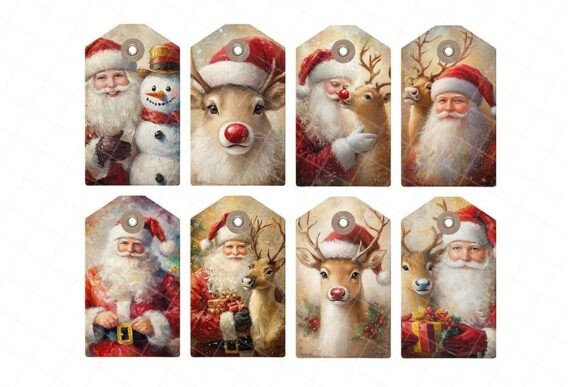
Classic Christmas Tags Illustrations Review
As a brand designer who spends half my life obsessing over kerning and the other half worrying about click-through rates, I don’t just look at a design asset; I look for its utility in a real-world campaign. Recently, I was tasked with refreshing the visual identity for a small business client launching a limited-edition holiday product line. The goal was clear: create a cohesive, trustworthy, and emotionally resonant brand identity that felt premium yet accessible. This is where Classic Christmas Tags entered the workflow.
This review isn’t just about aesthetics; it’s about how this specific illustration performs as a graphic design asset for marketing, branding, and visual content creation. If you are a social media manager, a digital seller, or a creative entrepreneur looking to elevate your seasonal campaigns, understanding the practical application of assets like Classic Christmas Tags is crucial for maintaining visual consistency and audience trust.
First Impressions: Mood and Emotional Tone
When I first opened the files for Classic Christmas Tags, the immediate takeaway was the balance between nostalgia and professionalism. In a crowded creative marketplace, many holiday designs lean too heavily into cluttered, chaotic patterns or overly childish aesthetics. This asset strikes a different chord. It creates a mood that is warm, inviting, and distinctly traditional without feeling dated.
The emotional tone it brings is one of heritage and quality. For a small business owner selling handmade goods or an online coach offering a holiday masterclass, this visual language signals reliability. It suggests that the brand values craftsmanship and attention to detail. Whether you are designing packaging inserts, creating Pinterest pins, or building a digital campaign, the asset supports a narrative of care. It helps attract an audience that appreciates classic elegance, making it suitable for everything from casual lifestyle content to more polished editorial graphics.
Real-World Application in Marketing Workflows
Let’s move beyond theory and look at how Classic Christmas Tags functions within a tangible marketing project. Imagine our client is launching a new skincare bundle for the holidays. They need visuals that work across multiple touchpoints without losing their core message. Here is how this design asset integrates into that ecosystem:
- Social Media Graphics: The tags serve as perfect framing elements for Instagram posts. When placed subtly in the corners of product photography, they add context without distracting from the main subject. This enhances visual hierarchy, guiding the viewer’s eye naturally to the offer.
- Packaging Design: For physical products, these tags can be printed directly onto labels or used as hang-tags. As a commercial design element, they provide a tactile connection to the brand. A well-designed tag on a box increases perceived value, supporting better product presentation and improved audience trust.
- Email Banners and Headers: In email marketing, space is premium. Using Classic Christmas Tags as decorative accents in headers allows brands to maintain a festive theme while keeping the layout clean. This contributes to a professional appearance, which is critical for reducing unsubscribe rates during high-volume holiday seasons.
- Digital Ads and Lead Magnets: When promoting a free guide or a webinar, these illustrations can soften the call-to-action area. They make digital ads feel less transactional and more relational, fostering an emotional connection with potential customers.
This versatility makes the asset invaluable for content creators who need to produce high volumes of marketing visuals quickly. Whether you are using a Canva template or Adobe Illustrator, the adaptability of these tags ensures that your content marketing efforts remain visually consistent across platforms.
Supporting Core Marketing Goals
Using a strong graphic design asset like Classic Christmas Tags does more than just decorate; it drives strategic outcomes. First, it aids in stronger first impressions. In the split second a user scrolls past your post, the cohesive use of classic holiday imagery can stop the scroll. Second, it reinforces clearer visual hierarchy. By providing distinct shapes and focal points, the tags help organize information, making complex offers easier to digest.
Furthermore, consistent use of such recognizable motifs builds stronger recognition. Over time, your audience will associate this specific style of illustration with your brand’s voice. This leads to better engagement and more memorable campaign visuals. For small business branding, where budget for custom illustration might be limited, leveraging high-quality existing design assets is a smart way to achieve a polished, agency-level look.
Strategic Placement and Best Uses
To maximize the impact of Classic Christmas Tags, placement is key. These illustrations work best as hero graphics or campaign headers where they can breathe. They are excellent for product launch visuals, adding a layer of sophistication to new releases. In branded templates, they can act as recurring decorative brand elements, creating a signature look for your newsletters or blog posts.
They also shine in editorial layouts and promotional banners. Because they have a classic feel, they pair exceptionally well with serif fonts, evoking a sense of tradition and authority. However, they should be used carefully. They may not suit formal corporate branding where stark minimalism is required, nor do they fit well in dense information layouts where every pixel must convey data. Avoid using them as the primary focus in text-heavy ads, as they can compete with the main message rather than support it.
Practical Brand Designer Notes
Before integrating Classic Christmas Tags into your final deliverables, there are several technical checks every designer should perform. First, test the asset against your brand color palette. Does it harmonize, or does it clash? Check how it looks in black and white usage to ensure legibility if you ever need to print it monochromatically.
Place the asset inside real campaign mockups. Preview it on mobile screens, as most users will view your content on smaller devices. Test readability in small sizes; intricate details in an illustration can become muddy when scaled down. Compare it against competitor visuals to ensure your brand stands out rather than blending in. Additionally, experiment with typography pairing. While serif fonts are a natural match, try combining the tags with a modern sans serif font for a contemporary twist, or a script font for a personal, handwritten feel.
Finally, always review spacing and balance. Ensure the tags do not overwhelm the text or the product image. Most importantly, confirm commercial licensing before using it in paid campaigns, client work, or business branding. Understanding whether you are acquiring a SVG design, a PNG design, or a full design bundle will dictate how flexible you are in editing and scaling the asset.
Conclusion: A Versatile Tool for Seasonal Success
In the world of modern design and professional branding, the right illustration can bridge the gap between a product and a customer’s emotions. Classic Christmas Tags offer a reliable, aesthetically pleasing solution for brands looking to capitalize on the holiday season without sacrificing quality or coherence. For digital sellers, bloggers, and marketers, this asset provides the structural support needed to create compelling social media graphics and web design elements that convert.
By treating this asset not just as decoration but as a strategic component of your brand identity, you can enhance your content marketing efforts significantly. Whether you are creating printable designs, updating your media kits, or simply refreshing your online presence, Classic Christmas Tags provide the classic charm and professional polish that today’s audiences expect. Use them wisely, test them rigorously, and watch your seasonal campaigns gain the traction they deserve.