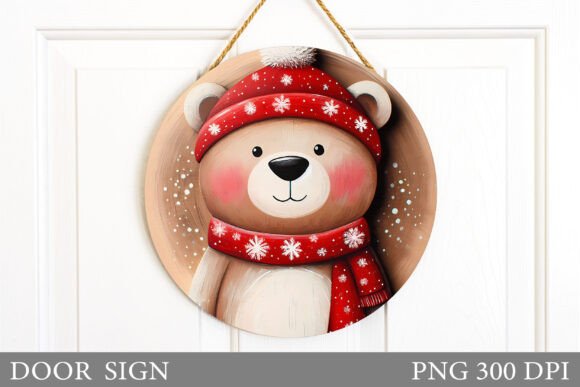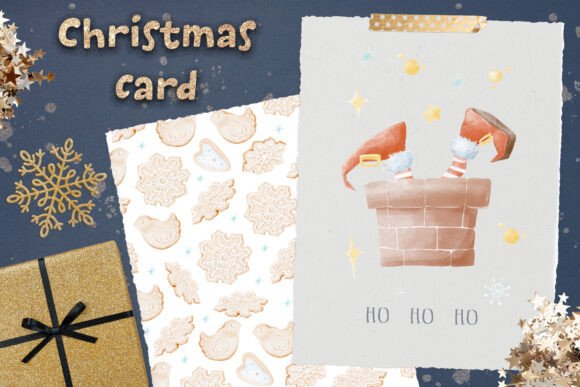
Merry Christmas by Santa Claus Illustrations for Blog Design
In the world of digital publishing, the visual layer is not merely decorative; it is a critical component of user experience and content performance. As a blog designer who has spent years optimizing editorial layouts for traffic and engagement, I approach every new asset with a specific set of criteria: Does it load quickly? Does it convey trust? Does it fit seamlessly into a modern web design system? Recently, I evaluated a graphic design asset titled Merry Christmas by Santa Claus to determine its viability for real-world publishing workflows. This review breaks down how this Illustrations collection fits into the daily operations of content creators, affiliate marketers, and small business owners.
The First Impression: Editorial Mood and Reader Perception
When you first open the files for Merry Christmas by Santa Claus, the immediate takeaway is its versatility within the seasonal niche. For bloggers and newsletter creators, the holiday season represents a spike in traffic but also a high level of competition for attention. The design aesthetic here strikes a balance between traditional warmth and clean, modern execution. It avoids the cluttered, overly chaotic styles that can make a website look dated or amateurish.
From an editorial perspective, the mood is inviting yet professional. It feels lifestyle-focused and festive without being childish. This is crucial for websites that serve adult audiences, such as parenting blogs, home decor sites, or even lifestyle magazines. When a reader lands on a page featuring these graphics, they perceive the content as polished and curated. In contrast, low-quality or generic clip art can inadvertently signal a lack of effort, which may erode reader trust. By using a cohesive set of Illustrations like this, publishers can maintain a strong brand identity throughout their most important seasonal campaigns.
Real-World Publishing Applications
The true value of any design asset lies in its utility across multiple touchpoints. I tested Merry Christmas by Santa Claus across several common publishing scenarios to see how it performed in a live environment.
- Blog Featured Images: These graphics work exceptionally well as hero images for holiday-themed posts. Because the composition is often balanced, there is ample negative space for overlaying headlines. This supports better click-through potential from search results and social feeds.
- Pinterest Pins: For content marketing strategies reliant on Pinterest, vertical formats are key. The artistic style of these Illustrations stands out in crowded feeds. They act as effective visual hooks that encourage users to stop scrolling and engage with the link.
- Newsletter Graphics: Email deliverability and open rates are heavily influenced by subject line imagery and banner headers. Using a consistent visual theme for your December newsletters helps reinforce brand recognition. These assets provide a ready-made solution for creating professional-looking email headers without needing custom illustration skills.
- Digital Products and Lead Magnets: If you are creating downloadable resources, such as holiday worksheets, checklists, or eBooks, these graphics elevate the perceived value of the product. A well-designed cover or interior accent makes a digital download feel like a premium gift, which is essential for lead magnet conversion.
- Social Media Content: Beyond Pinterest, these assets support Instagram stories, Facebook posts, and LinkedIn updates. They allow small business branding efforts to remain consistent across platforms during the holidays.
Supporting Content Performance and Brand Identity
Visual hierarchy is the backbone of effective web design. When readers scan a webpage, their eyes follow a pattern dictated by size, color, and contrast. High-quality graphic design assets help guide this eye movement naturally. Merry Christmas by Santa Claus offers elements that can break up text-heavy sections, providing visual relief and keeping readers engaged longer.
Furthermore, consistency builds authority. If your website’s category thumbnails all share a similar illustrative style, visitors subconsciously categorize your site as a cohesive publication rather than a random collection of posts. This improved reader trust translates directly into higher return visits and lower bounce rates. For affiliate marketers, this trust is paramount; readers are more likely to click on recommended products if the surrounding content looks professionally maintained.
Optimal Placement Strategies
To maximize the impact of these Illustrations, consider where they fit best within your layout:
- Hero Images: Use full-width versions at the top of articles to set the tone immediately.
- Article Thumbnails: Smaller, cropped versions work well for sidebar widgets or "related posts" sections.
- Editorial Accents: Use smaller icons or borders to separate quotes or highlight key takeaways within long-form content.
- Website Header: A subtle variation of the main graphic can serve as a temporary header decoration for the month of December.
Areas Requiring Caution and Optimization
No single asset is perfect for every context. As a publisher, you must be strategic about where you apply Merry Christmas by Santa Claus. There are specific scenarios where this design might not perform optimally.
First, avoid using these graphics on small mobile thumbnails where detail may get lost. If the resolution is not sufficiently high, the image will appear pixelated on Retina displays, which harms your professional image. Second, be cautious with text-heavy blog images. If the background of the Illustration is too busy, it can compete with your headline text, reducing readability. Always ensure there is sufficient contrast between the graphic and any overlaid typography.
Additionally, consider your niche. While these assets are fantastic for lifestyle, family, food, and craft niches, they may feel out of place on serious professional niches, corporate news sites, or B2B content hubs. In those contexts, a very minimal visual system or abstract data visualization might be more appropriate. Using playful or decorative holiday graphics on a serious financial advice page could create a tonal dissonance that confuses the audience.
Practical Publisher Notes for Implementation
Before integrating Merry Christmas by Santa Claus into your live site, I recommend following a strict technical checklist to ensure quality and compliance.
- Test Across Devices: Preview the graphics on desktop, tablet, and mobile screens. Check how they scale and whether they maintain clarity.
- Check Thumbnail Visibility: Zoom out to 50% or less to simulate how the image looks as a small icon or pin. Does the main subject still stand out?
- Preview in Layout: Place the graphic inside a real blog post template. See how it interacts with your existing color palette and grid system.
- Typography Pairing: Test the graphic alongside different font styles. Try pairing it with serif fonts for a classic look, sans-serif fonts for modernity, or script fonts for a personal touch. Ensure the combination remains legible.
- Contrast and Readability: Verify that text placed over the image meets accessibility standards. You may need to add a semi-transparent overlay to improve contrast.
- File Size Optimization: Large image files slow down page load times, which negatively impacts SEO and user experience. Compress your images properly using tools designed for web performance before uploading.
- Licensing Verification: Confirm the commercial license terms. If you are using these assets on monetized websites, affiliate pages, or paid content products, you must have the right to use them commercially. Do not assume standard licenses cover all business uses.
Conclusion for Digital Creators
For bloggers, designers, and digital marketers looking to enhance their holiday content strategy, Merry Christmas by Santa Claus offers a robust set of Illustrations that bridge the gap between festive charm and editorial professionalism. By understanding its strengths in visual communication and applying it thoughtfully within your web design framework, you can create a more engaging, trustworthy, and visually cohesive online presence. Whether you are updating your website header, designing a new lead magnet, or preparing social media graphics, this asset provides the creative foundation needed to stand out in a crowded digital landscape.